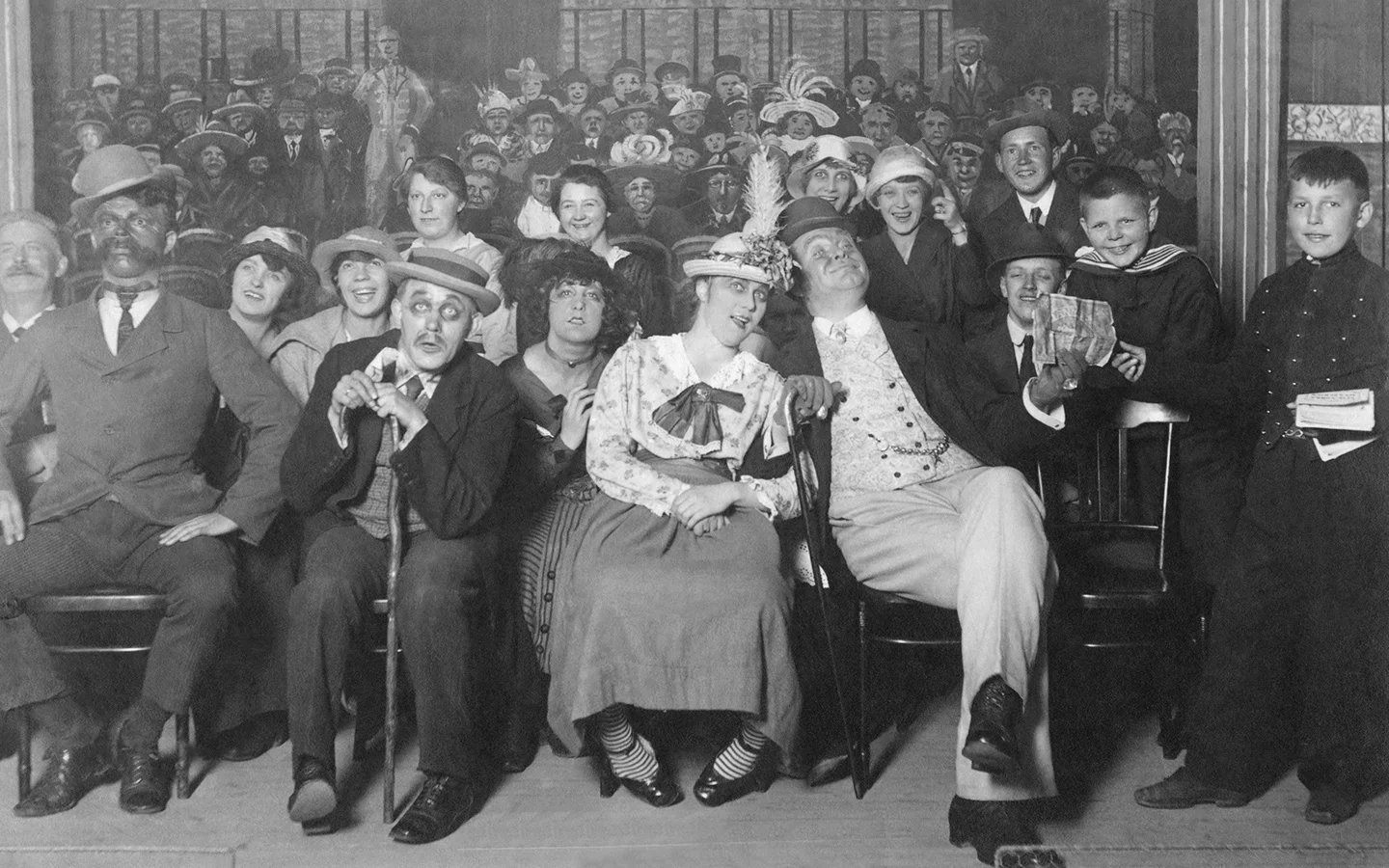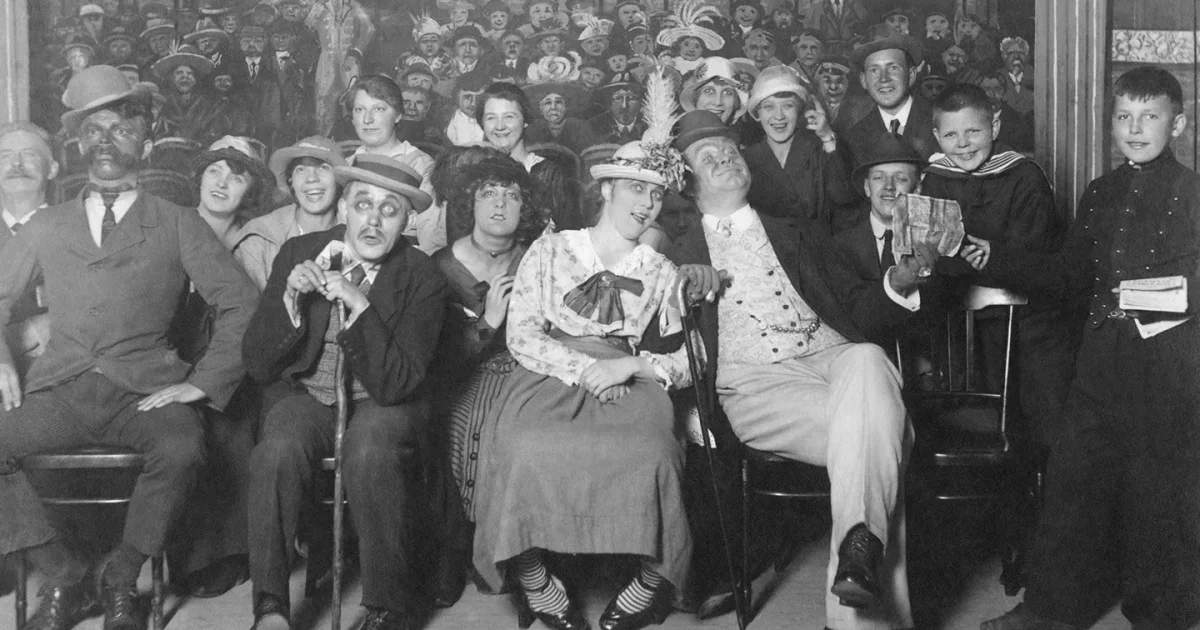
Find out how to be both credible and more attractive and entertaining in your brand’s communication.
‘You’re not you when you’re hungry!’ Anyone who has heard a Snickers ad even once in their life knows this ‘fact’. The idea that men who use Old Spice products smell like ‘real men’, while the others are, forgive the expression, mere wimps, is also being chirped about by the sparrows on the roof.
You may say that two examples of witty ads for fast-moving consumer goods are indeed successful, but you doubt that humour can be used just as effectively in ‘more serious’ business or in industries where the companies and brands, and their customers, take themselves very seriously? Don’t worry: laughter can be effective. Seriously.
The caveman isn’t an insult
The airline Ryanair, with its openly humorous, sometimes even borderline rude responses on social media, is a loud example. What happens to a customer who complains about an inedible sandwich during a flight? A Ryanair tweet along the lines of ‘Were you expecting a Michelin star? Pfft, good luck elsewhere, we’re cheap old Ryanair after all’, and a loud roar of laughter from the crowd of users Ryanair has put in a good mood.
The above is, of course, an extreme example that is very hard to take as a model. But sometimes whole industries change because of pioneers who know how to handle humour. Twenty years ago, the American insurance company GEICO redesigned its websites for buying car insurance. With fierce competition on the market, the decision-makers in the company opted for a fresh approach. ‘It’s so easy, even a caveman could do it!’, went the message of the entertaining video ads. As people at GEICO admitted later, that message lit up a warning lamp for many in the insurance company. ‘Are we telling our customers they are stupid?’ was a frequent worry. But they pushed on with the ‘caveman’ idea, and they succeeded. Today the cavemen (the original GEICO Cavemen) are stars of a series of ads, and a registered trademark.
At GEICO, they ‘normalised’ humour in an industry that used to seem very ‘buttoned-up and strict’. Today, funny stories and incidents are part of the storytelling in the ads of many insurance companies, including those in Slovenia (the largest one included). By the way, while we are on the subject of the car industry: car makers, too, are working hard to be ever more entertaining. The Skoda brand, just one example, has used humour very often and consistently in its market breakthrough of the last decade with its Simply Clever slogan.
Humour can boost recognition and sales, if you take it seriously.
Why is humour useful?
-
Entertaining content sticks in the memory longer. In one piece of research by Nielsen, researchers found that audiences remember ads with a humorous note 40% better than ‘serious’ ones.
-
The audience relaxes and opens up. By nature, people are resistant to messages they recognise as sales-driven or advertising. Well-used humour softens that psychological boundary and opens the space for an emotional connection between the audience and the brand or product.
- Word spreads faster. In modern communication, social media is indispensable. And content that makes people laugh spreads on it far more often.
Watch out, humour doesn’t always work!Humour can be a double-edged sword. Although it has the potential to connect with an audience, the audience usually isn’t naive and quickly recognises an exaggerated or inauthentic tone. In that case the effect is the opposite: badly used humour weakens the perception of a brand’s professionalism and reduces trust. A not-so-distant example is the Pepsi campaign with Kendall Jenner, in which someone thought it would be entertaining to portray political protests as something light. The public went up in arms, the ads were pulled, and Pepsi took a hefty slap. The lesson: humour cannot, and must not, trivialise important social issues. |
How to use humour effectively?
- Get to know your audience. With humour, too, you can see how important it is to know your customers and potential new clients. Find out what puts them in a good mood, where they are willing to laugh at themselves, and where the line is that you mustn’t cross.
- Be genuine. Humour has to fit your identity, your values, and your actions. You can’t transform overnight from a company that has emphasised only precision, expertise and responsibility into the wittiest brand on the market, since you will only raise doubts and resistance. Don’t overdo it either. Very concretely: if your director isn’t exactly a stand-up comic in their free time, don’t start your messages in the style of ‘Our director is so funny he’s just lowered the prices’. There is a big risk that the audience will ask who came up with such an ad, and won’t believe even the part about lower prices.
- Test and analyse. Don’t bet everything on humour at once. If you aren’t sure, slip it in for a pinch of experiment in a smaller project and watch the responses carefully. Don’t forget the importance of analysing the data.
Do you dare to be entertaining too?
Humour can be a very useful tool, but it isn’t a universal one. If sensitive topics like finance or health are involved, the wrong tone can backfire on you even faster. Otherwise, do let yourself off the leash (at least occasionally). If laughter is usually said to be half the cure, this time let’s close with the thought that laughter can also be half of success.
| Let’s wake up the humour together. Don’t know what your company’s character actually is, and whether more relaxed communication suits it? Get in touch and together we will find out more easily how much humour can do for you. |