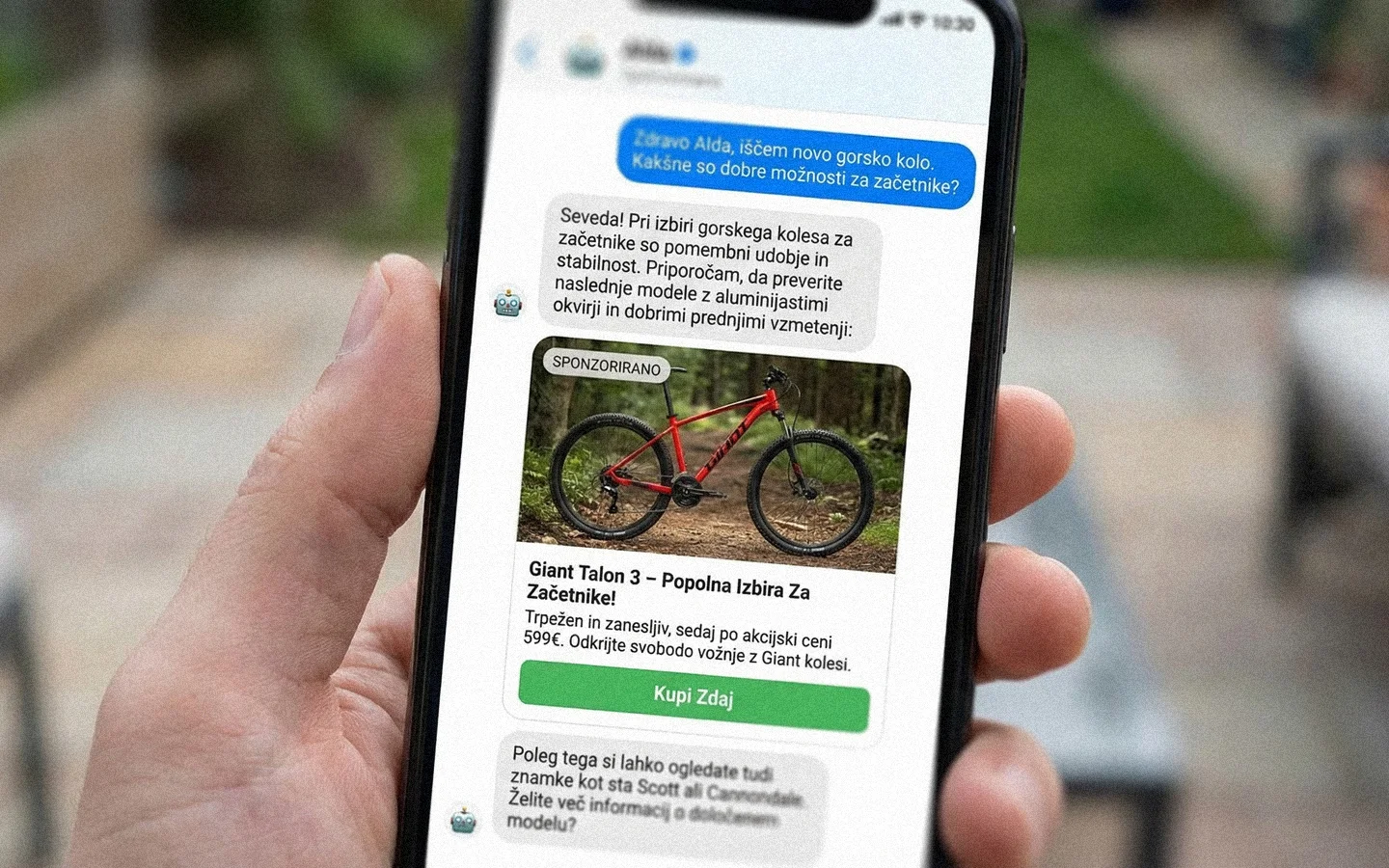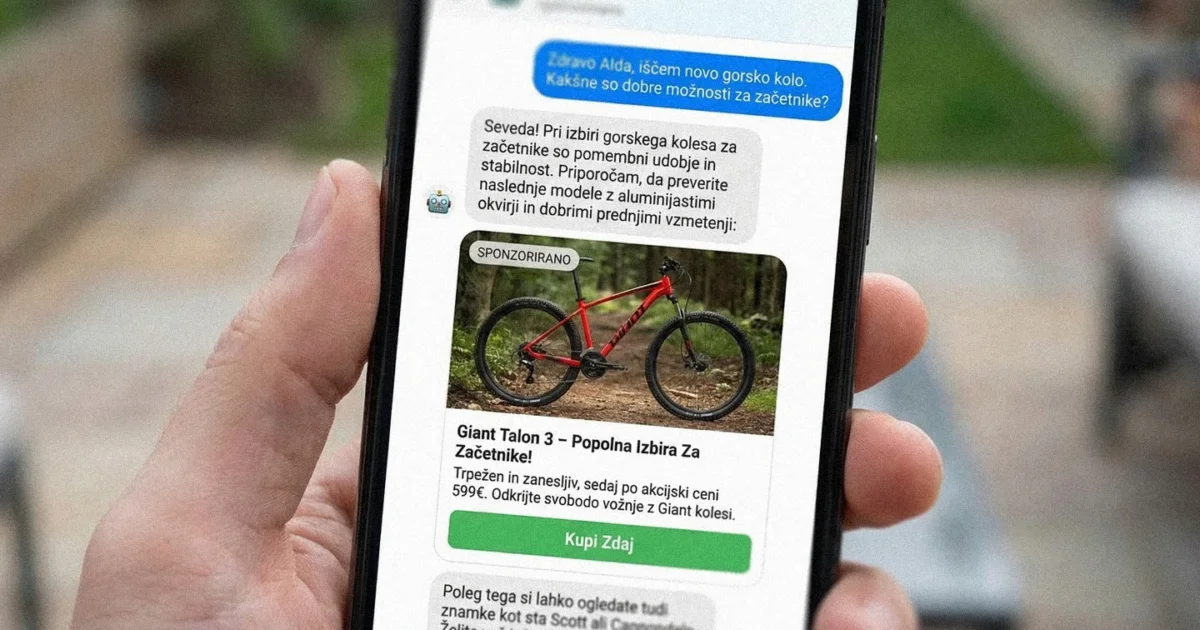
AI-powered ads are showing up inside ChatGPT, Google AI Overviews and Perplexity. Here is what the shift to so-called “conversational advertising” means for marketers.
AI is changing how people search, decide and shop. Where brands can advertise is the next thing on the list. Search engines and social media have dominated paid media for years. Now a different kind of ad space is opening up: ads served by AI.
OpenAI is testing ads inside ChatGPT. Google is rolling sponsored placements into its AI Overviews. Perplexity is moving fast on sponsored answers. That leaves marketing leads with a new question: how do you put your brand in front of someone at the moment they are still figuring out what to buy?
Where AI meets advertising
ChatGPT, Google’s AI Overviews and Perplexity are becoming the place people start their research. Instead of working through pages of search results, users get short answers, product comparisons and personal recommendations inside one chat window.
These interactions happen during high-intent moments. The person is actively researching, comparing options and narrowing down their choice. That makes them a strategic opportunity for brands: show up while the buying decision is still forming.
AI ads are not classic display banners that interrupt the user. They are integrations that fit into the conversation, tied to whatever the user is asking right then.
How the platforms are putting AI ads into practice
1. Ads in ChatGPT (OpenAI)
OpenAI started testing sponsored placements inside ChatGPT’s AI mode (with selected US users for now). The ads are:
- clearly labelled as sponsored,
- tied directly to the user’s prompt,
- kept separate from the model that generates the actual answers.
The important part: the ads do not change the answers ChatGPT writes. Those still come from the same algorithm picking what is most useful. Advertisers see aggregate metrics like impressions and clicks, and they cannot read individual chat histories. Keeping the wall between money and answers is what keeps users trusting the product.
2. Google ads in AI Overviews
Google is testing ads inside its AI Overviews, the generative summaries that appear on top of results for informational queries. The placements blend sponsored items into the AI-written summary, mixing paid media into the search experience itself.
3. Sponsored placements on Perplexity
Perplexity is experimenting with sponsored follow-up questions and brand integrations inside its answers. Instead of pushing display ads, these placements are designed to track with what the user is actually thinking about buying. It points to where AI advertising is heading: contextual, native and built around intent.
What this means for brands
Where traditional ads tend to interrupt browsing, AI ads show up in the middle of active evaluation.
When someone asks an AI to compare two products, suggest a gift or recommend brands in a niche, that question wants an answer now. AI placements let brands show up exactly at that moment, before the user has even clicked through to a store.
This is contextual presence inside informational intent, which is a different kind of exposure than classic “pay-per-click”. For marketing leads, it means rethinking the digital strategy.
An opportunity you shouldn’t miss
Digital advertising keeps shifting. Banners, search ads, social feeds, programmatic. Each move has pushed us closer to actual user intent. AI ads are the next step: advertising no longer happens on a search results page, it happens inside the moment of discovery.
That shift means marketing leads have to stop thinking only about ad slots and impressions, and start thinking about how their brand shows up in real time.
In the AI era, finding information is a conversation. The brands that figure that out first will set the pace for digital marketing.