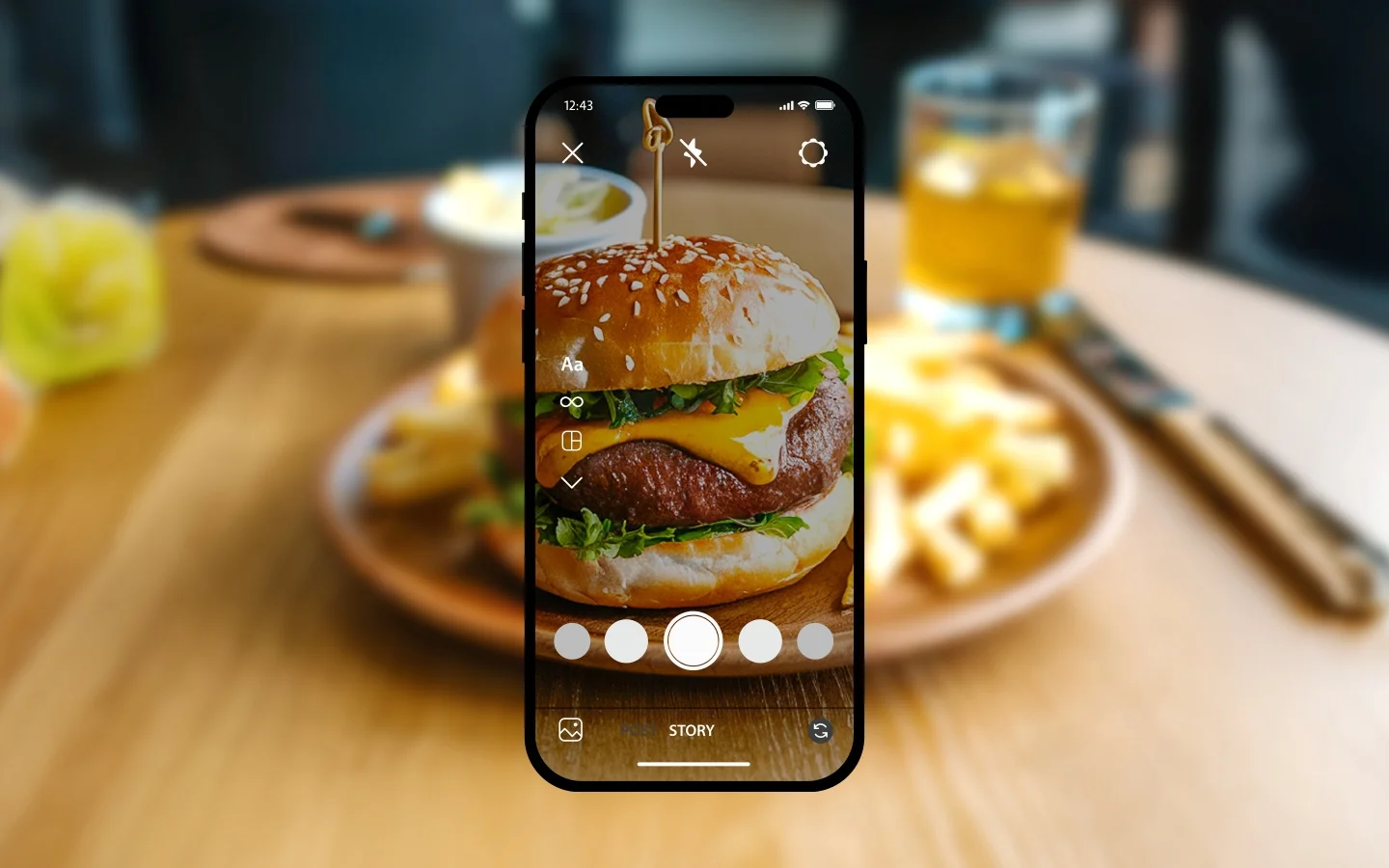
What kind of burger do you like best? Juicy, more or less seared, double, with bacon, cheese, or perhaps without meat? Vegetarian or vegan products are entering the market in ever larger steps in recent years, but they run into quite a few obstacles along the way. One is being limited to a particular segment of the market, set against the resistance of the traditional ‘meat-eating audience’; another is, for instance, regulation.
Let’s look at an example. In the US, one of the most prominent players in this segment today is the company Impossible Foods with its Impossible Burger. It is a burger made of plant ingredients, soy, potato, coconut oil and so on. One of the key ingredients that gives it a meaty taste and texture is ‘heme’, a substance produced by fermenting genetically modified yeast. The Impossible Burger was launched in the US in 2016 and caused a revolution. Not because it was the first non-meat burger, but because the message was different: ‘This isn’t just a burger for those who don’t eat meat. It is a good burger.’
Impossible Foods showed what an example of a successful product launch looks like.
It spread the word about the product through campaigns on social media that drew the attention of younger consumers, who are receptive to novelty. At the same time, by encouraging expert discussions about the ingredients, it argued that a non-meat burger is healthier and has a smaller environmental impact than a classic one. The sales team, meanwhile, persuaded, and persuaded successfully, well-known stores and restaurants to put it on their offer.
The result: you can find the Impossible Burger in the US in a range of stores, and also at Burger King, among others. Today, the Impossible Burger is firmly established on the US market.
It isn’t yet on offer in the EU, however. Why? Because things got tangled up over the genetically modified ingredients. The European Food Safety Authority (EFSA) only confirmed in August this year that the use of soy leghemoglobin from genetically modified yeast doesn’t pose a safety risk.
Launching a new product on the market can be a risky and complex process.
The example above shows the duality of entering a market. On the one hand, this is an exceptionally successful communication entry, with which the maker created demand; on the other, an (unplanned) obstacle appeared that held back expansion to another continent, while the competition went ahead there.
What does the story tell us? Launching a product can become a real opportunity to establish a new brand, grow, or strengthen a market position only with a well-thought-through strategy.
Let’s look at the key steps and strategies that influence success here.
The importance of strategy in product launches
Launching a new product doesn’t only involve preparing the product itself. It also involves carefully planning how to present it to the audience so that it sparks interest and trust. The launch strategy should include everything from market research and segmentation of the target audience to clearly defined marketing channels and messages. Companies that overlook the importance of this process risk having their product go unnoticed, or receive less attention than it deserves.
Key steps for a successful new product launch
At the Pakt agency we are convinced that preparing an effective strategy for launching a new product is crucial for success. Our experience shows that the following five steps lead to a successful result.
1. In-depth market research
Do you understand the market? Does it really want your product? Who is your target audience? What are their needs, wants and challenges? Who is the competitor, where do they have an edge? Do you know the details of the regulation? Will you get the certificates for sale on time?
2. A clear definition of your product’s advantages
What is it that your new product will bring to customers? It is essential that the product stands out through its unique value. The value proposition should be simple, clear and direct. That is what speaks to your target audience.
3. A strong message and story
A product doesn’t live through specifications. It lives in a story. The Impossible Burger is juicy, the juices run out of it, and it can even be ‘bloody’, although there is no meat in it. The buyer wants it because of the taste, not just because of the ingredients. You too have to offer a story that will draw out the audience’s emotions. And that story should be aligned across all communication channels, from your own channels, the media and ads to social networks.
4. Integrated use of marketing channels
Choose the right channels to spread the message. You reach a broader audience by combining them, but, once again, the key is for the channels to complement one another and convey a consistent message.
5. Tests and adjustments
The launch strategy should also include a testing phase. Watch the audience’s responses, monitor the data, and be ready to make adjustments. ‘Expect the unexpected’, meaning also possible obstacles such as, for meatless burgers, the certification phase for the European market. This way you can optimise your campaign, adjust the financial inputs, and plan revenues.
|
How can we help you with product launches? At the Pakt agency, we combine all the steps mentioned above into a comprehensive and integrated approach. We understand that there is no single recipe for success, which is why we always tailor the strategy to the specific needs of the company and the market we are targeting. Together we can write stories that delight, and present your new product. |