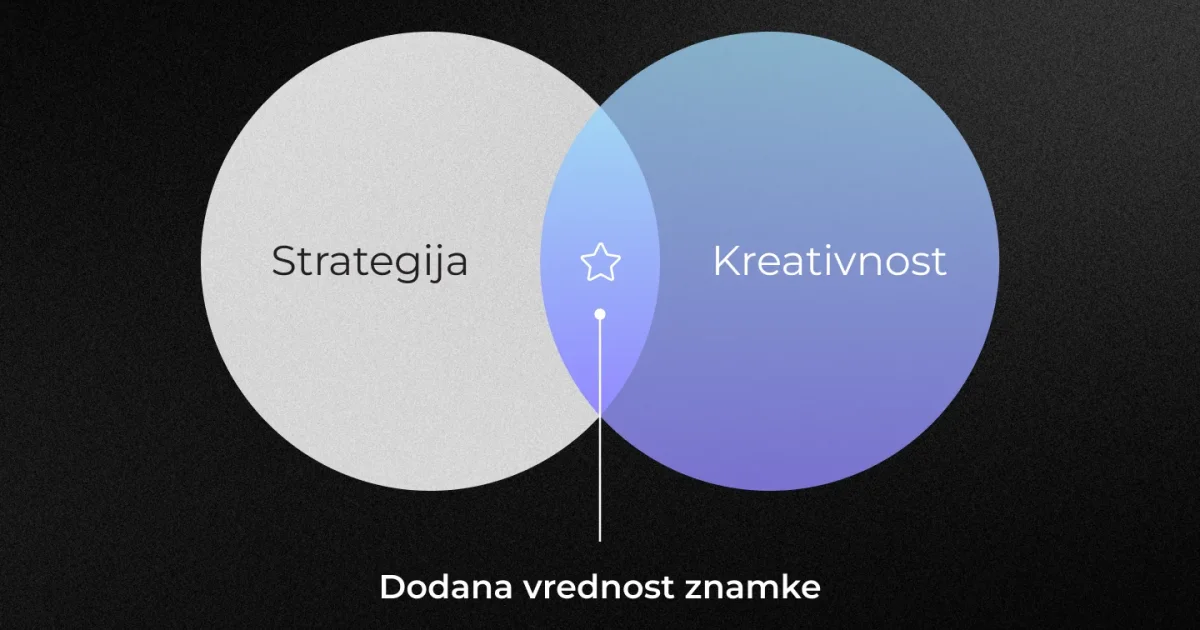
When we think of strong brands, we often judge them by their long-term direction or by the unique tone and ideas with which they reach their customers. But truly recognisable brands emerge when those two components weave together.
Will glasses for augmented and mixed reality change the world? It is hard to say that the Apple Vision Pro, Apple’s first product for spatial computing, which combines elements of virtual (VR) and augmented reality (AR), has changed the world. The product, which looks like some kind of futuristic ski goggles, will soon celebrate its second birthday (the headset was officially unveiled in June 2023 at Apple’s developer conference WWDC), and at an astronomical price of 3,500 dollars it isn’t exactly a sales hit (to put it kindly). At the same time, it is unmistakably ‘Apple-like’.
Apple: a master of balance
Apple isn’t just a tech company and member of the elite ‘Magnificent 7’ group, the firms that have dominated the markets in recent years. It is also one of the most recognisable brands in the world. Its strength rests on a complete synergy between a clear strategy and top-class creativity.
The company’s strategy shows up in simplified product lines, consistent premium positioning, and a focus on a comprehensive user experience. On the other hand, the creativity of the Apple brand stands out through striking, recognisable ads, refined design, and an intuitive user experience that has been delighting users around the world for years. Creativity strategically supports the brand’s identity and imprints it for good in the collective consciousness.
This is exactly why Apple has long stopped being merely a maker of tech products. It has become a status symbol and a synonym for a way of life. And with such glasses on your nose, you have to look at the actual glasses, too (see what we did there?). The product isn’t and won’t be a ‘bestseller’, but it keeps the audience’s focus on the brand. Apple isn’t counting on the people who walk into the (again, recognisable from a distance) Apple stores around the world these days for a free half-hour Metallica concert through the fascinating viewpoint of the Apple Vision Pro to actually buy the headset. Strategically, though, they bring the audience exactly where they want it. To the tables and shelves with the computers, phones, tablets, watches, accessories and so on, which sell like hot cakes and bring Apple billions. At Apple they simply know how to do it: convince the buyer that the product is technologically the best, the most attractive in design, and, just as importantly for many people today, the most desirable in status terms.
Even the most thought-through strategy without creativity feels sterile, while creativity without a clear strategic foundation often doesn’t deliver the desired results.
How do you create added value?
If we had a magic wand, we could all be Apple. But even if your favourite brand is a different one, or if you think there is no point looking for inspiration from a company richer than a string of countries, stay with us for a few more lines. This isn’t about copying a recipe for success. It is about understanding what can work for you, too.
If you want your brand to reach real added value as well, focus on three key elements.
1. A thought-through long-term strategy
Every creative campaign has to have a clear goal and path. It can be one-off in its visuals, sound, or in the look of the people who appear in it, but at the same time it should carry recognisable messages with which you sparked attention and built trust yesterday, and which you will fold into your work tomorrow when you have a new product or service on the market.
2. Uniqueness
A recognisable visual and communication style is key to recognition. And, no need to worry, recognition doesn’t equal an ‘astronomical investment’. The good marketing levers for success are often the result of a good idea, not the biggest campaign on social media or TV.
3. Repetitive execution
Only brands that are consistent in their look and messaging build long-term trust. Look at your strategy and creative work the way you would at Doncic’s basketball artistry. If a player makes a basket from the centre of the court once, that can be down to luck. If they take your breath away with their moves ‘serially’, and if they aren’t only popular because they win (sorry, Dallas Mavericks!), but also because they delight the audience along the way, then that is a mix of real attractiveness and strategy.
What’s next?
First, define clearly what you want to achieve. Who is your audience (and who isn’t), what kind of messages resonate with them, and how will you measure success? Then think about how you can use creativity to express that message in an original way. The goal is for your communication not just to be noticed, but to actually be remembered.
If you want to create added value for your image, brand or product, your team should always work in an interdisciplinary way: strategic planners must understand the content creators and vice versa. The best ideas usually emerge precisely where analytical thinking meets creative inspiration. Don’t forget that real creativity also calls for a willingness to take some risk. Allow your team, or the agency you trust and which understands you, to experiment, try new approaches, and accept that not every idea will be a winner. But the right one can lift your brand to new heights and help you keep a step of advantage as long as possible.
Let’s take the next step together.
At our Pakt agency we believe that the real power of a brand lies in the balance between strategic planning and creative innovation. Only when the two come together do we create exceptional recognition and a lasting effect.