In today’s business environment, marketing is key to a company’s success. We can, however, run into challenges when choosing the right marketing approach, since the field of marketing is very diverse. To choose the most effective approach, it makes sense to think holistically.
In this article, we will explore the concept of integrated marketing and how to achieve it for the benefit of your company.
Table of contents:
1 The philosophy of integrated marketing
1.1 Reasons for integrated marketing
1.2 The elements of integrated marketing
1.3 An example of integrated marketing
2 The role of a marketing agency
3 To sum up
The need for integrated marketing comes from the constant changes in customer needs.
The philosophy of integrated marketing
Integrated marketing treats the various parts of a business as a single entity. It is based on the assumption that the whole is greater than the sum of its parts. That is why there is a common goal and purpose for all activities related to the business. This makes sure that every person in every department, from sales to operations to human resources to marketing and others, works toward one common goal.
Reasons for using integrated marketing
The need for integrated marketing comes from the constant changes in customer needs. Customers only make a purchase after thoroughly researching the product, both online and in physical shops. That is why integrated marketing is essential for ensuring that customers choose your product over the competition. Here are a few reasons why you need integrated marketing.
- Brand building. One of the best ways to build brand recognition is by emphasising the brand’s core values across all platforms. Since consumer behaviours are constantly changing, it is essential that the company maintains consistency across multiple channels in order to ensure maximum brand strength.
- Efficiency. Integrated marketing increases communication between different parts of the company, since they all share a common goal. Beyond that, it ensures that all business processes are aligned with each other, which helps increase brand recognition.
- Long-term goals. Integrated marketing focuses on long-term goals and allows the company to thrive and make the best use of its resources.
- Connectedness. Instead of conflicting information across different parts of your brand, integrated marketing brings everything together under one roof. This ensures greater consistency and connectedness for all of your customers.
The elements of integrated marketing
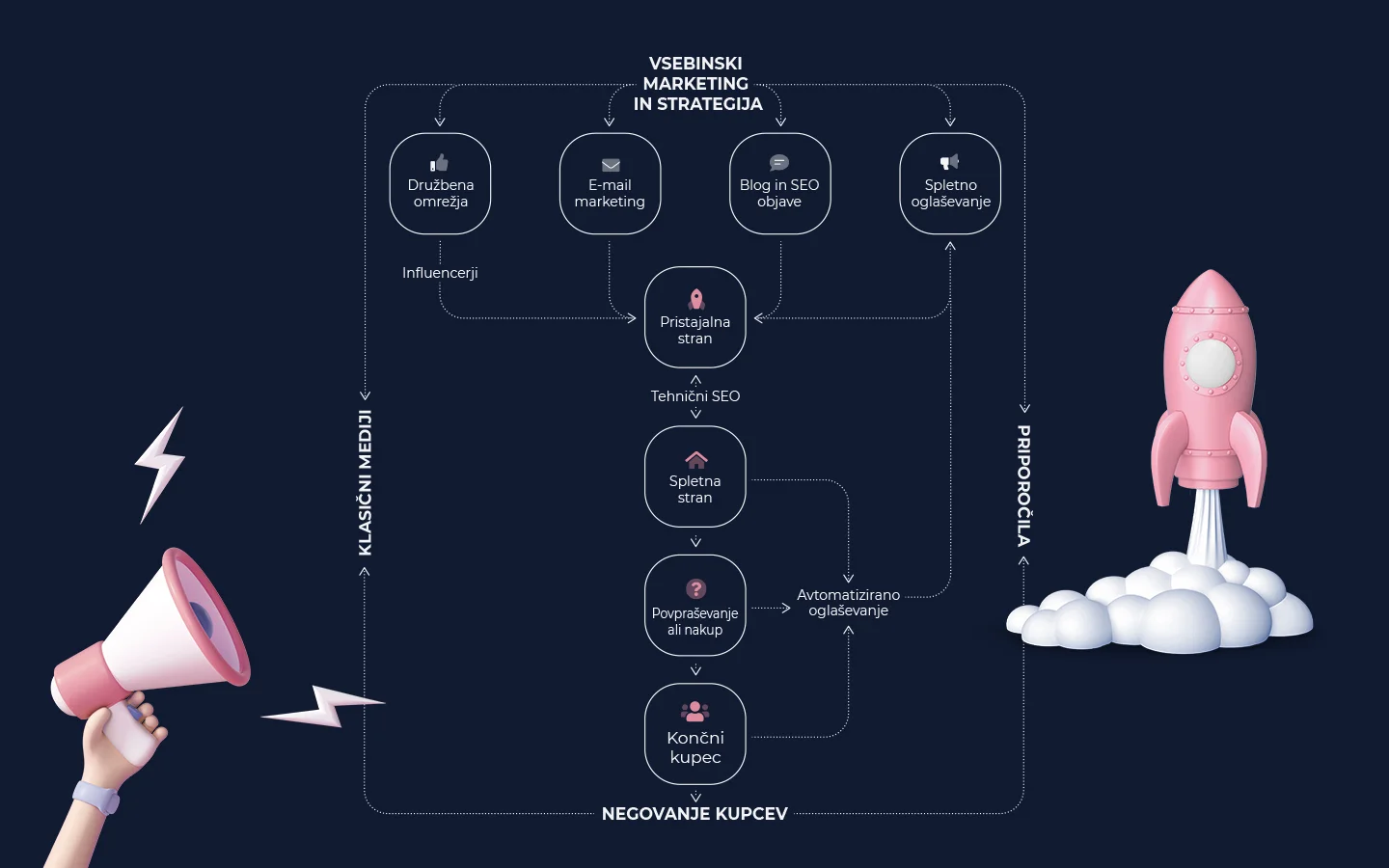
Integrated marketing involves five different components that come together and unite a company’s brand image.
- Relationship marketing. Relationship marketing is focused on the relationships a company builds with potential and existing customers, employees, partners, and competitors. This component of integrated marketing focuses on creating a comprehensive business plan with long-term goals that cover the entire business system. The main aim is to direct marketing activities that build a strong emotional bond and cultivate the loyalty of these stakeholders, not only when it is needed.
- Internal marketing. Integrated marketing recognises two types of customers, external and internal. Although external customers always come first for any company, internal customers (employees) play an equally important role in the marketing process. Internal marketing treats employees as customers, who have to be convinced of the company’s core values just as intensively as external customers. This makes sure that they understand their role in the marketing process.
- Integrated marketing communications. Integrated marketing creates a seamless experience for the consumer when interacting with the brand by integrating various communication channels (sales promotion, public relations, advertising, direct marketing, digital marketing, and so on). With this, communication is kept consistent and projects a strong and focused brand image.
- Socially responsible marketing. Socially responsible marketing involves a broader concern for society. It follows the philosophy that a company is part of society and should also give back to it. This calls for adherence to certain ethical principles of doing business and a focus on philanthropy and community organisations. Socially responsible marketing encourages all of the company’s stakeholders to have a positive impact on society.
- Performance. Integrated marketing focuses on long-term goals and allows the company to thrive and make the best use of its resources. Apple is one of the companies that successfully uses integrated marketing. Most people typically decide to buy an iPhone or a Mac before they even enter the sales floor. This shows the power of integrated marketing, since they have successfully built a solid brand that has earned the trust and loyalty of their customers.
An example of integrated marketing
When we talk about integrated marketing, Coca-Cola had a brilliant idea, in 2009, to make happiness their goal. They included the word in all of their ads and added a song to the campaign, performed by well-known musicians, called ‘Open Happiness’. Beyond that, they renamed their trucks ‘Happiness Trucks’, and vending machines became ‘Happiness Machines’ that ‘dispense doses of happiness’. If you look at their recent ads, you will see people laughing, being happy, and enjoying each other’s company, which is the essence of the brand.
The recent Create Real Magic campaign also contains elements of integrated marketing. Recently, they refreshed their entire global identity with the slogan ‘Real Magic’. The idea behind this strategy is to show the brand’s goal of refreshing the world and bringing about change. Manuel Arroyo, global marketing director at The Coca-Cola Company, says: ‘Real Magic isn’t just a slogan. We see it as a philosophy that goes beyond advertising and contains everything that is special about the brand.’ The aim of the campaign is to bring together artists and artificial intelligence. The artworks created remind people that magic is something we can create ourselves, in the real world.
A marketing agency has the expertise and experience to help a company shape and carry out a comprehensive marketing strategy.
The role of a marketing agency
The role of a marketing agency in integrated marketing is key. A marketing agency has the expertise and experience to help a company shape and carry out a comprehensive marketing strategy. The agency’s first step is the research and analysis of the target audience and market trends, which allows for a better understanding of customers’ needs and wants. Based on these insights, the agency puts together an effective plan that includes various marketing channels and approaches.
Beyond that, a marketing agency plays an important role in creating brand consistency and unity. It looks after the alignment of messaging, visual identity, and communication channels, which ensures a consistent and recognisable brand presence on the market. The agency can also advise on the choice of the right marketing tools and tactics that will best suit the company’s goals. With its expertise and creativity, it helps the company achieve better results and establish a strong presence on the market.
To sum up
Integrated marketing is key to the success of modern companies, since it allows for a comprehensive approach to meeting customer needs and creating long-term relationships. The role played by a marketing or digital agency in this process can’t be overlooked. With its expertise, experience, and creativity, the agency helps companies shape and carry out effective strategies that include various marketing channels and components. It looks after the consistency of messaging, builds a positive brand, and contributes to the growth and success of the company. By cooperating with a marketing agency, companies can focus on their core business, while the agency takes care of an integrated marketing approach that leads to better results and recognition on the market.